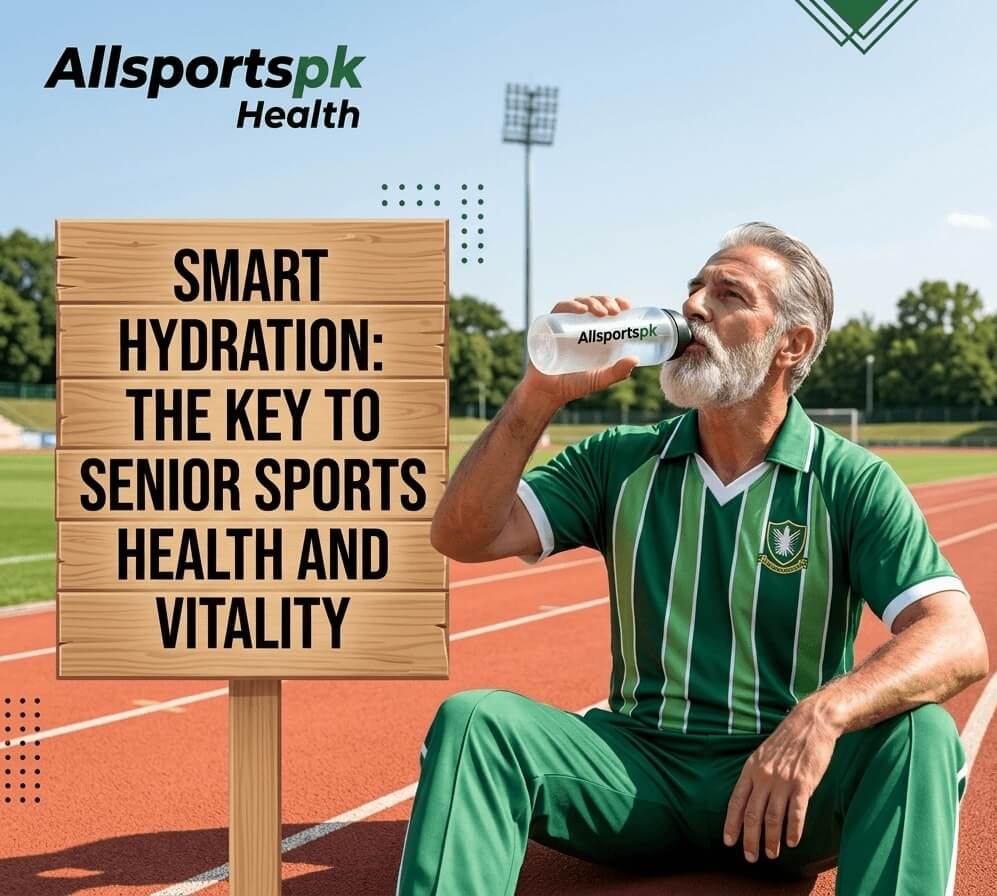
In the fast-paced world we live in today, maintaining optimal health requires access to quick and reliable information. Allsportspk Health shares insights compiled from open sources to serve as a beneficial reference for your daily wellness.
However, readers must keep a vital disclaimer in mind. The published content is strictly for informational purposes and should not be construed as definitive medical or fitness advice. Even if the information provided is factually correct, readers are strongly advised to seek professional medical guidance. Never ignore or delay consulting a qualified healthcare provider because of something you have read online.
A crucial health insight regarding senior citizens is often highlighted by medical practitioners, including notes attributed to the general medicine community and researchers at the University of Sao Paulo, Brazil. When managing the health of older athletes or elderly family members, a frequent question arises: What are the primary causes of sudden mental confusion in the elderly?
Common Misconceptions Regarding Senior Cognitive Health
While many people immediately suspect severe conditions like head tumors or the early symptoms of Alzheimer’s disease, clinical experience often points in a completely different direction. According to research observations, the most common and overlooked causes of abrupt cognitive shifts are uncontrolled diabetes and urinary tract infections.
However, the overarching catalyst behind these issues is often a much simpler factor: dehydration in the elderly.
It might sound surprising, but the underlying reason is critical. People over the age of 60 generally experience a diminished sense of thirst, and consequently, they stop drinking fluids regularly. When there is no one around to remind them to consume liquids, they quickly suffer from severe dehydration in the elderly.
This condition impacts the entire physiological system, leading to sudden mental confusion, a sharp drop in blood pressure, increased heart palpitations, chest pain, and in extreme cases, comatose states.
Biological Changes in the Aging Body
This habit of forgetting to drink fluids begins around age 60, a period when the human body retains just over 50 percent of the water volume it possessed in younger years. Older individuals naturally have a lower water reserve as a part of the biological aging process. Compounding this vulnerability is a flawed internal feedback mechanism.
Even when their bodies are profoundly dehydrated, seniors frequently do not feel the urge to drink water because their internal balance mechanisms do not function optimally.
Therefore, individuals over the age of 60 experience dehydration in the elderly easily. This happens not only because they have a smaller structural water supply, but also because their bodies fail to trigger the sensation of thirst. Even if an elderly individual looks perfectly healthy and active, the degradation of chemical reactions caused by a lack of fluids can quietly damage the entire body.
Critical Hydration Action Plan for Caregivers and Families
To combat this silent threat, two major alerts must be integrated into daily routines to prevent dehydration in the elderly:
1. Establishing a Hydration Schedule
Seniors must establish a strict habit of drinking liquids throughout the day. Beneficial liquids are not limited to plain water; they include natural juices, herbal teas, coconut water, milk, soups, and water-rich fruits such as watermelon, melon, peaches, oranges, and pineapples. The vital rule is to consume some form of liquid every two hours without fail.
2. Vigilant Monitoring by Family Members
Family members and caregivers must remain vigilant. It is essential to constantly offer fluids to individuals over 60 while carefully observing their daily behavior. If a senior citizen begins rejecting liquids and suddenly exhibits irritability, breathlessness, or a distinct lack of attention, these indicators should be treated as immediate, recurrent symptoms of dehydration in the elderly. Proper hydration is the simplest way to preserve cognitive health and physical performance in older adults.
Quick Answer
What is a common overlooked cause of sudden confusion in elderly people? Dehydration is one overlooked cause, but sudden confusion can also be linked with infection, blood sugar changes, medication effects, heat illness or other serious conditions. A healthcare professional should assess sudden confusion.
Why do older adults dehydrate more easily? Many older adults have a reduced thirst signal, lower body water reserve, medical conditions or medicines that can affect fluid balance.
What is the simplest prevention step? Keep safe fluids within easy reach and offer small amounts regularly through the day, especially during heat, illness, outdoor activity or recovery.
Source And Safety Note
This Allsportspk Health Tips article is an awareness guide based on publicly available health guidance. It strictly aligns with the clinical criteria outlined by the NHS (National Health Service) regarding the identification of hidden dehydration indicators in older adults, as well as the daily fluid intake protocols recommended by the CDC (Centers for Disease Control and Prevention) to prevent secondary systemic complications. This content should be used as a general wellness reference only and must not be used as a substitute for professional medical diagnosis, evaluation, or personalized treatment.